I’ll admit something straight away. I’ve never been a particularly big fan of over-ear headphones.
That’s probably a strange admission from someone who works in radio and as a technology consultant, where headphones are very much part of everyday life.
Over the years, I’ve tried plenty of different brands, and while some have been reasonable, I’ve generally found them uncomfortable, particularly because I wear glasses. Add to that questionable durability, average sound quality and the feeling that you’re wearing something clamped to your head, and I’ve never been completely convinced.
So, when Bose contacted me and offered the opportunity to try their second-generation QuietComfort Headphones, I was interested, but perhaps a little sceptical.
Well, I’m happy to report that Bose may have finally changed my mind.
After spending time with these headphones, I’ve been genuinely impressed. The sound quality is excellent, they’re remarkably comfortable, the battery life is impressive, and the features actually deliver something useful rather than simply adding to a marketing brochure.
In fact, they’ve become an integral part of my day.
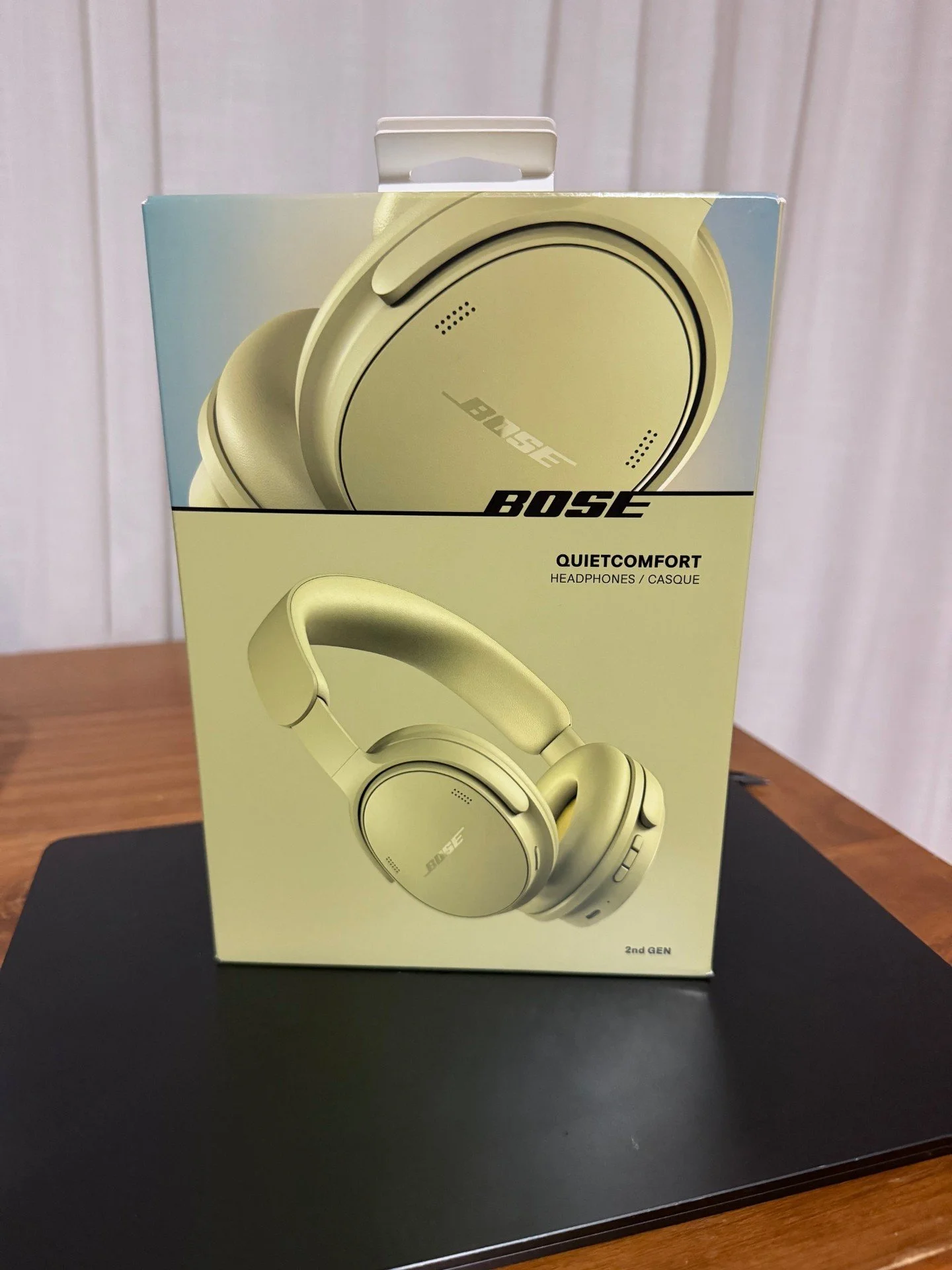
Comfort – Particularly If You Wear Glasses
Let’s start with what matters most to me: comfort.
Bose has redesigned the QuietComfort headphones with a new adjustable headband, thicker cushioning and reshaped oval earcups. The result is a headphone that feels secure without putting excessive pressure on your head.
For someone who wears glasses, that’s particularly important.
One of my biggest complaints with other headphones has been the pressure they place on the arms of my glasses, particularly during extended listening sessions.
With these Bose headphones, I’ve found the fit considerably more comfortable.
There’s another clever advantage for glasses wearers, and that’s how Bose has improved its noise cancellation technology.
Normally, the arms of your glasses can create small gaps between the earcups and your head, reducing the effectiveness of noise cancellation.
Bose has addressed this with an improved six-microphone system that automatically compensates for gaps in the seal.
It’s a sensible improvement, and one that makes these headphones particularly appealing to people who wear glasses.
Noise Cancellation – Keeping the World Out
Bose has built a considerable reputation for noise-cancelling headphones, and this latest generation continues that tradition.
The technology, which Bose calls QuietControl, is designed to reduce unwanted background noise so you can concentrate on what you’re listening to.
Whether you’re listening to music, working or travelling, effective noise cancellation can make a considerable difference.
There is also an Aware Mode, which allows you to hear what’s happening around you without removing the headphones.
Bose has improved this feature with something called ActiveSense.
In simple terms, if you’re in Aware Mode and a sudden loud noise occurs, such as a passing train, the headphones can automatically reduce the impact of that noise.
One feature I particularly like is that noise cancellation can now be adjusted or switched off completely through the Bose app.
You can also create your own listening modes depending on how much of the outside world you want to hear.
It’s a level of flexibility that makes sense.
Sound Quality – Where Bose Really Delivers
Of course, headphones can have every feature imaginable, but if they don’t sound good, what’s the point?
This is where the QuietComfort headphones have impressed me.
The sound is clear, rich and well-balanced, making them enjoyable for music, spoken-word content and everyday listening.
Bose has also introduced its Immersive Audio technology to the standard QuietComfort range, something previously reserved for its more expensive Ultra headphones.
This creates a more spacious listening experience, giving the impression that sound is coming from around you rather than simply being delivered directly into your ears.
There are three modes available.
Still Mode creates the impression that the sound is positioned in front of you, even when you turn your head.
Motion Mode allows the sound experience to move with you, making it more suitable when walking or travelling.
Cinema Mode is designed for watching movies, television programs and even listening to podcasts. It creates a wider soundstage while keeping dialogue clear and centred.
For someone who spends considerable time listening to spoken-word content, clear dialogue is particularly important.
It’s worth pointing out that immersive audio is a matter of personal preference. Some people will love the expanded sound experience, while others may prefer traditional stereo.
The good news is that you have the choice.
A Welcome Return to Practical Controls
One of my ongoing frustrations with modern technology is the determination by manufacturers to replace perfectly good buttons with touch-sensitive controls.
Sometimes, a physical button is simply better.
Thankfully, Bose has retained traditional buttons on these headphones.
The right earcup handles everyday functions such as volume, playback and answering calls, while a button on the left allows you to change listening modes and access shortcuts.
It’s straightforward, practical and means you don’t constantly have to reach for your phone.
The headphones also support Bluetooth 5.4 and multipoint connectivity, allowing two devices to remain connected.
For example, you could be listening to something on your computer and then switch to a phone call without having to disconnect and reconnect everything.
For those of us regularly moving between computers and smartphones, that’s a genuinely useful feature.
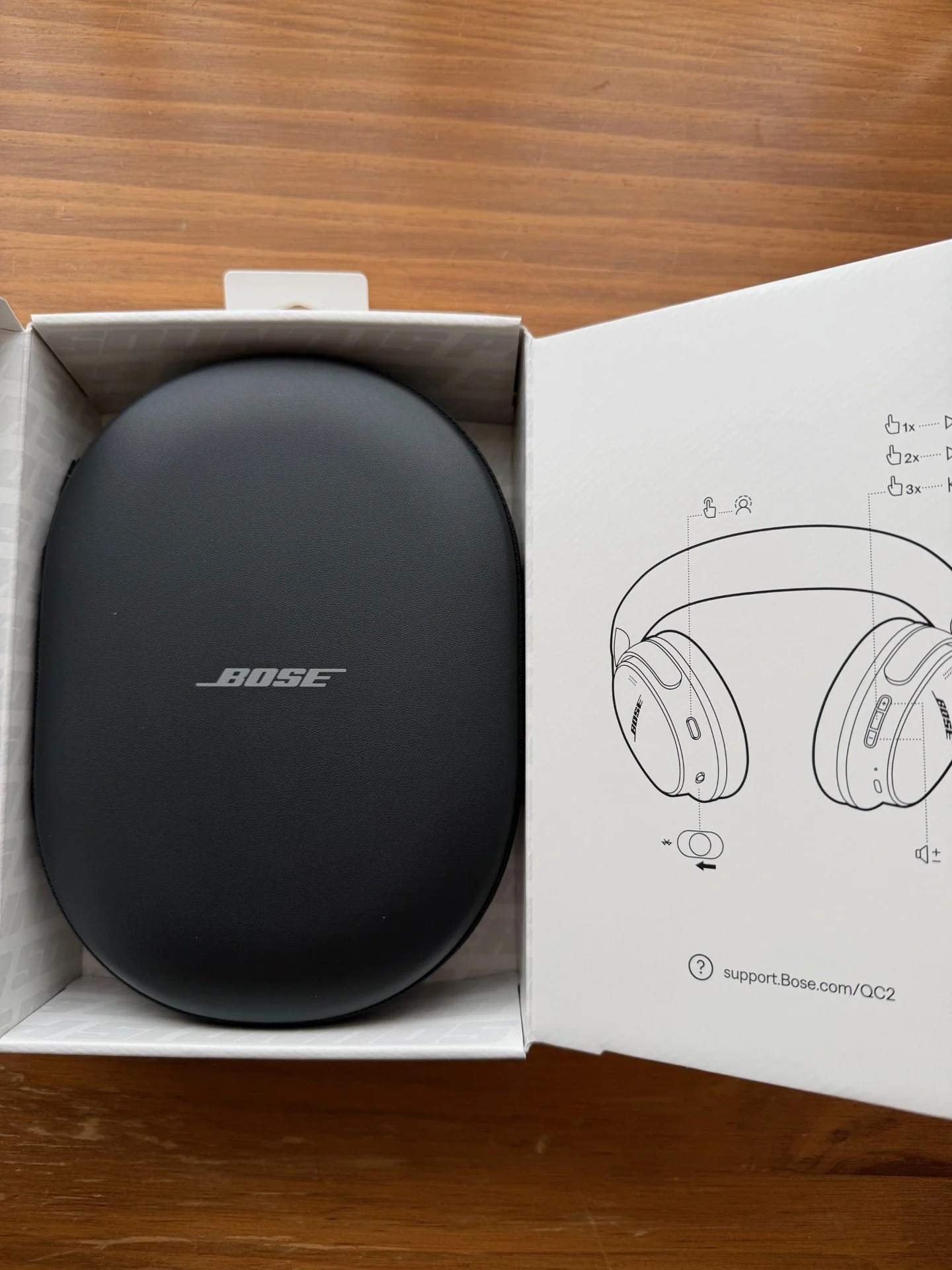
USB-C – More Than Just Charging
Another welcome improvement is the expanded USB-C functionality.
Many headphones use USB-C simply for charging, but Bose has gone further.
You can now connect the headphones directly to a compatible computer or device using USB-C and listen to high-quality digital audio.
Bose supports lossless wired playback at up to 24-bit/48kHz, which is particularly appealing to listeners who want to get the best possible quality from their music.
The USB-C connection also supports microphone input for applications such as Zoom and Microsoft Teams.
And here’s something particularly practical: you can continue listening while charging the headphones.
Bose also includes a USB-C to 3.5mm cable for connecting to traditional audio sources, including aircraft entertainment systems.
That’s a thoughtful inclusion, particularly for travellers.
Battery Life – Plenty for Everyday Use
Battery life is another area where Bose has delivered.
According to Bose, you can expect up to 24 hours of listening on a full charge.
If you’re using Immersive Audio, that drops to approximately 18 hours.
That’s still more than enough for most people’s daily requirements.
And if you do run low, a quick 15-minute charge can provide up to two and a half hours of additional listening.
I’ve been very happy with the battery performance during my time using them.
For people who use headphones throughout the working day, not constantly worrying about the battery is a considerable advantage.
The Bose App – Making Them Your Own
The Bose app adds another layer of control.
You can adjust bass, midrange and treble using a three-band equaliser, manage connected Bluetooth devices, customise listening modes and install firmware updates.
You can also configure shortcuts and change how the noise cancellation operates.
I particularly appreciate being able to tailor the listening experience rather than simply accepting whatever settings the manufacturer has decided are best.
Importantly, you don’t need to spend your life adjusting settings to enjoy these headphones. They work well without constantly fiddling with the app.
Design and Price
Bose has given the second-generation QuietComfort headphones a refreshed appearance, with a slimmer profile, updated headband and a two-tone design.
Alongside traditional Black and White Smoke, Bose introduced three limited-edition colours: Eucalyptus Green, Dewdrop Mint and Rosewood Mauve.
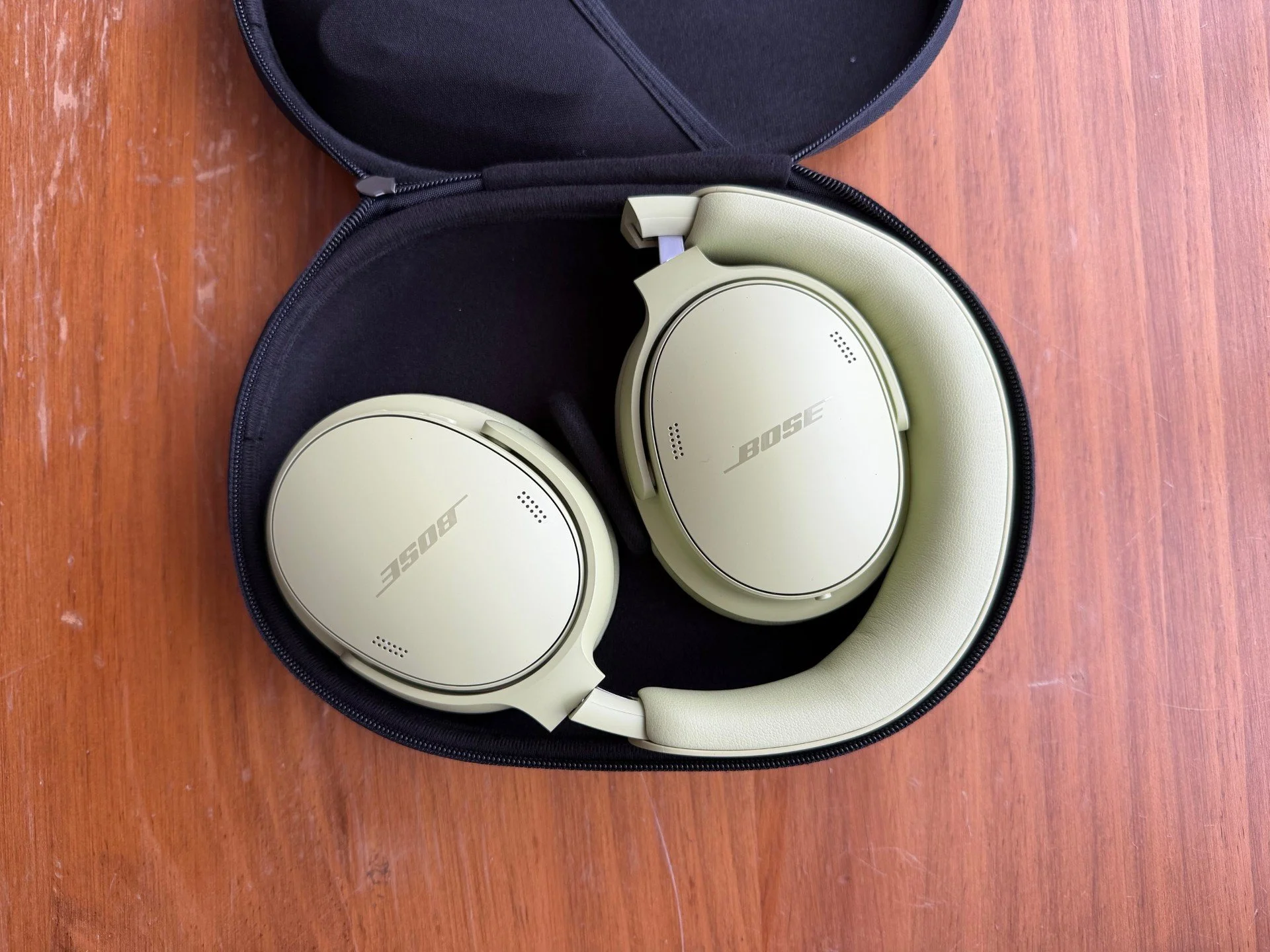
They’re certainly a departure from the traditional black headphones we’ve become accustomed to seeing.
The Australian launch price was $549.95, which places these firmly in the premium headphone category.
That’s not an insignificant amount of money, and at this price, consumers should expect excellent sound, comfort, noise cancellation and build quality.
My Verdict – Have Bose Won Me Over?
The answer is yes.
I’ve spent years being less than enthusiastic about over-ear headphones, largely because I’ve never found a pair that delivered the right combination of comfort, sound quality and practicality.
The second-generation Bose QuietComfort headphones have gone a long way towards changing that opinion.
For me, the standout feature is comfort, particularly when wearing glasses. Combine that with excellent sound, effective noise cancellation, impressive battery life and sensible physical controls, and you have a very appealing product.
I also appreciate that Bose hasn’t simply added features for the sake of it. Improvements such as USB-C audio, multipoint Bluetooth and the ability to adjust or completely disable noise cancellation are genuinely useful.
Are they cheap? Certainly not.
And while the early experience has been excellent, long-term durability is something that can only be judged after extended use.
But if you spend a lot of time wearing headphones, particularly if you wear glasses or have previously found over-ear models uncomfortable, these are well worth considering.
For someone who started out as a reluctant over-ear headphone user, that’s quite a recommendation.
The Bose QuietComfort Headphones (2nd Gen) were supplied by Bose for review. The opinions expressed are my own.